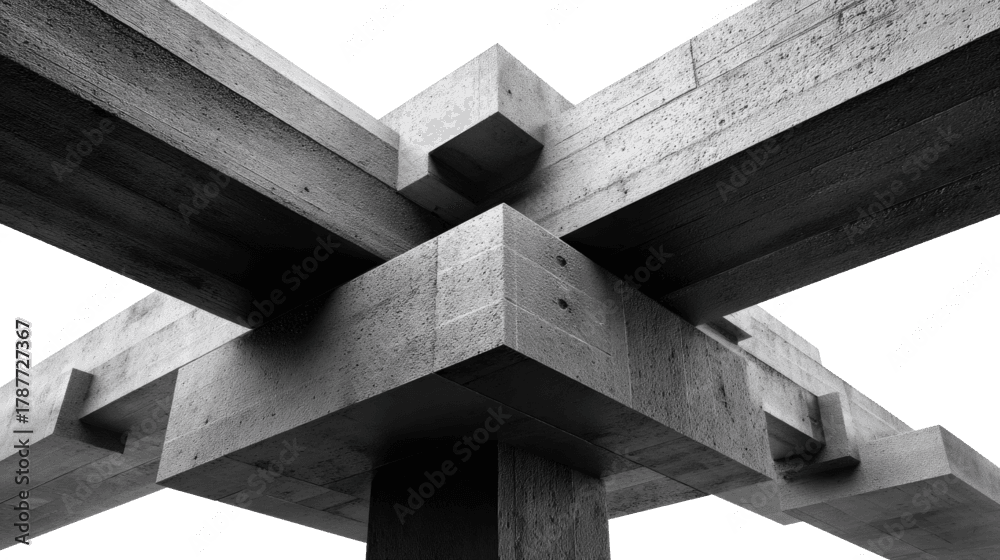
Performance-based design is an approach in structural engineering and ensures that the structure is designed in accordance with specific performance objectives.
The purpose of performance-based design is to predict the behavior of structures according to specific performance criteria. These criteria generally include factors such as safety, durability, sustainability, functionality, and economy. In the design process, structural engineers try to minimize risks while optimizing the structure to meet the defined performance objectives. An important benefit of performance-based design is a better assessment of whether structures meet the expected performance. This enables decisions made during the design process to be taken more accurately and helps us better predict how structures will behave under real-world conditions.
As a result, performance-based design increases the safety of structures where people live and work by making them safer, more durable, and more economical. Therefore, performance-based design in structural engineering has become a fundamental part of modern building design and safety standards.
Services